
Features elongated, lance-shaped leaves that can reach up to 15 inches in length, often growing in a rosette pattern. The leaves are typically bright green, and as the plant matures, they may develop a slight reddish tint, particularly when exposed to good lighting. Known for its decumbent growth form, where the stems may arch or spread along the substrate, making it an excellent choice for foreground or midground planting in aquariums. This plant thrives in a range of water conditions, preferring temperatures between 70-82°F and a pH range of 6.5 to 7.5. It does well in moderate to high lighting, which promotes robust growth and vibrant coloration. Adding CO₂ and fertilizing with micronutrients, particularly iron, will further enhance its health and appearance. Propagation is relatively easy, as Echinodorus decumbus produces runners that can develop into new plants when anchored in the substrate. Its adaptability and visual appeal make it a favorite among aquarists, contributing both to the aesthetic and ecological balance of aquatic environments by providing shelter and oxygenation for fish and other organisms.
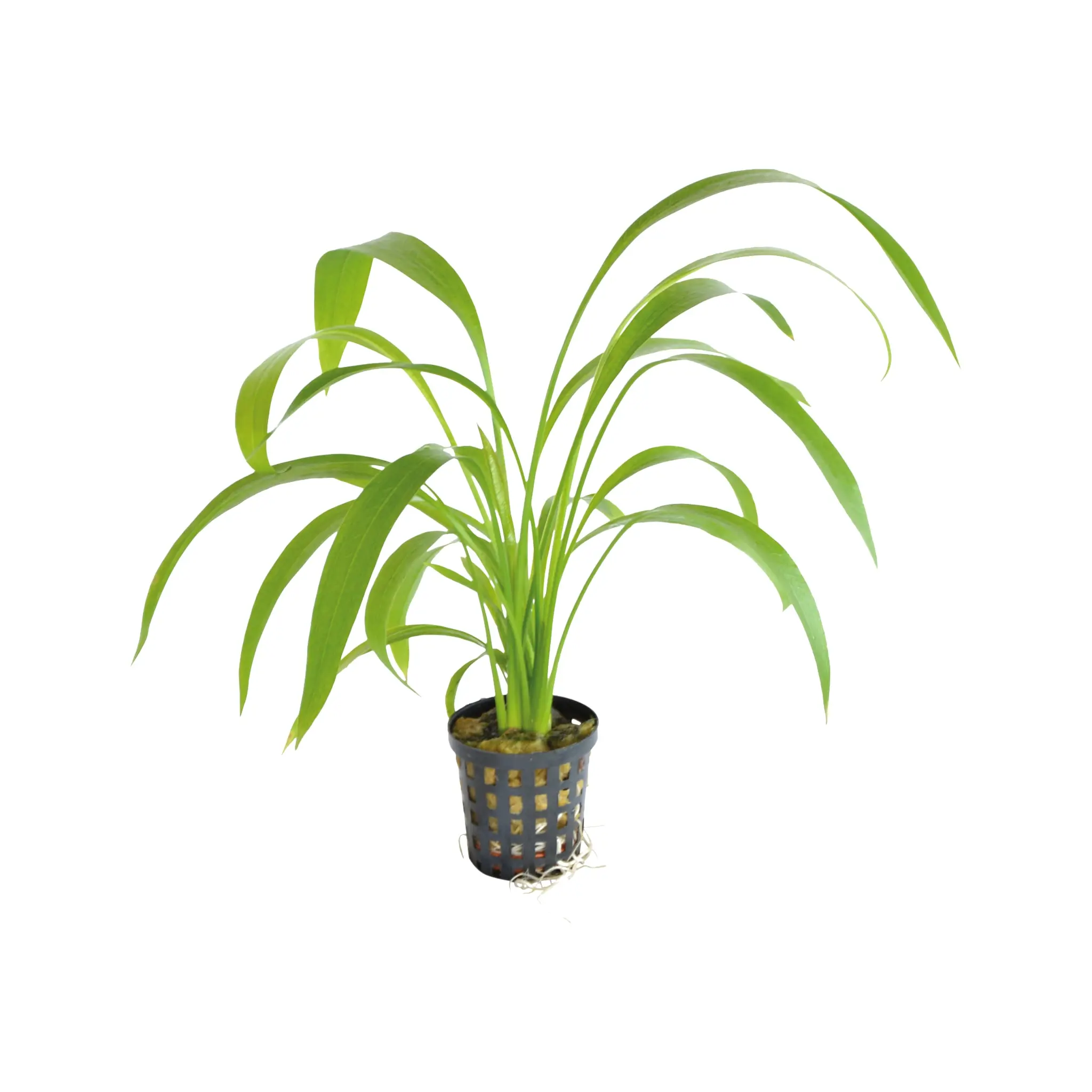
Echinodorus decumbus
Features elongated, lance-shaped leaves that can reach up to 15 inches in length, often growing in a rosette pattern. The leaves are typically bright green, and as the plant matures, they may develop a slight reddish tint, particularly when exposed to good lighting. Known for its decumbent growth form, where the stems may arch or spread along the substrate, making it an excellent choice for foreground or midground planting in aquariums. This plant thrives in a range of water conditions, preferring temperatures between 70-82°F and a pH range of 6.5 to 7.5. It does well in moderate to high lighting, which promotes robust growth and vibrant coloration. Adding CO₂ and fertilizing with micronutrients, particularly iron, will further enhance its health and appearance. Propagation is relatively easy, as Echinodorus decumbus produces runners that can develop into new plants when anchored in the substrate. Its adaptability and visual appeal make it a favorite among aquarists, contributing both to the aesthetic and ecological balance of aquatic environments by providing shelter and oxygenation for fish and other organisms.


Reviews
There are no reviews yet.